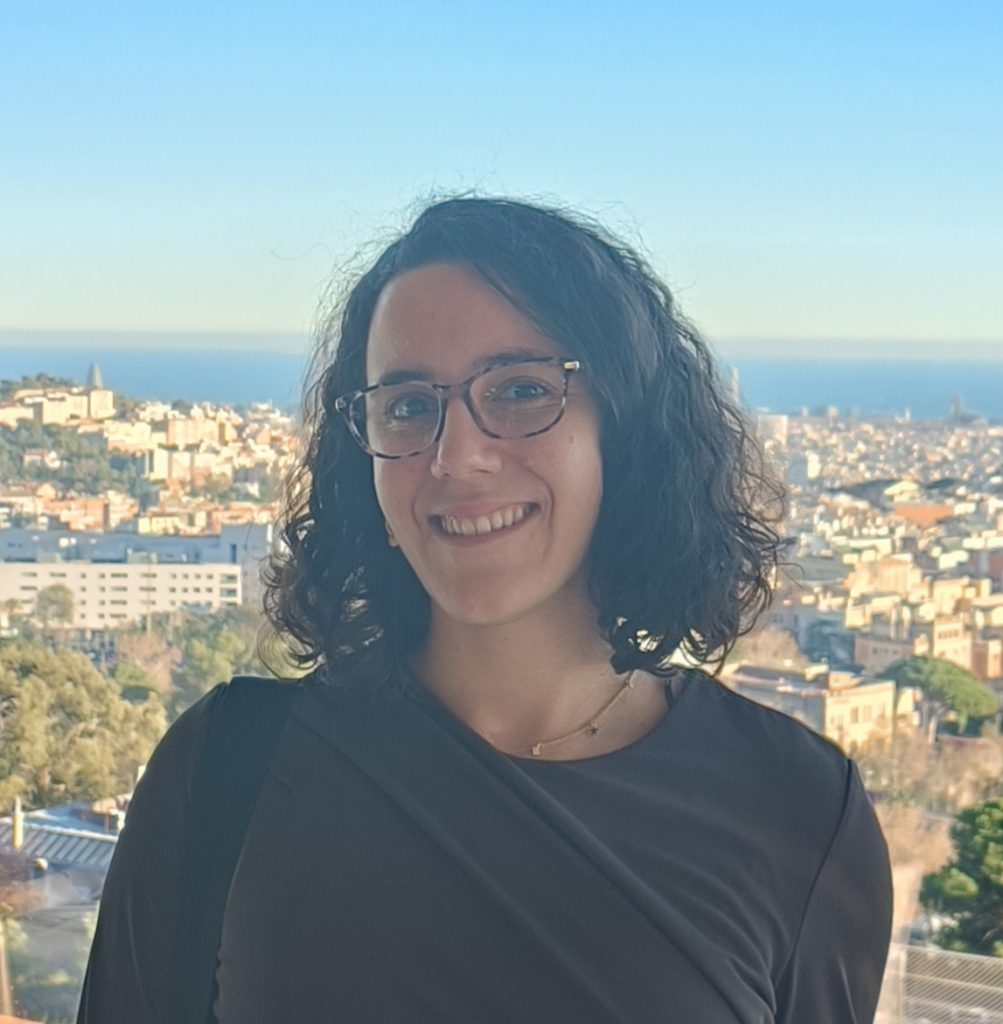
About
I am computational social scientist and data scientist with a background in political communication and social media research that specialises in agent-based simulation, social network analysis and the computational study of social media behaviour. My work seeks to explore how social media shape our beliefs, attitudes, and opinions. In particular, I am interested in the role of interpersonal social networks (who do we talk to?), the content we get exposed to (what is on our feeds?) and the content we share (what do we talk about?).
My publications have focused on explaining how interpersonal social networks and social media filter bubbles contribute to echo chamber emergence and polarisation, more generally using agent-based modelling. I have also explored the importance of structure on social networks as we rewire some of these connections and how flexible are existing network generators to be a general tool for producing diverse artificial social networks. Also, I have delivered numerous research seminars on my work at various European Universities and research institutions as well as international conferences, you can find more on the Talks page with the interactive map.
Moreover, I have teaching experience in sociology and political science through guest lectures, as well as in quantitative methods, including agent-based modelling, social network analysis, and data visualisation. This experience includes delivering practical tutorials and training workshops across undergraduate and postgraduate courses. See more on my Teaching page.
I am currently a Visiting Researcher at the Open Engineering Group of The University of Edinburgh. For the last three years, I was a Research Associate in Computational Social Science at Durham University designing and evaluating algorithms for generating realistic artificial social networks in Julia and designing a taxonomy of network generators to reduce model selection barriers and to provide a comprehensive classification of the multiple approaches existing in the literature. This was in addition to communicating such complex analytical outputs to diverse audiences through numerous international conference presentations, research seminars and workshops. For my PhD in Politics at Glasgow University I designed and implemented an agent-based model of online polarisation and offline protest mobilisation. This was applied to the Catalan independence movement as a case study. It involved a theoretical framework to explain how national identity polarisation could emerge through social networks and social media filter bubbles and how this would motivate people to join protests. I was awarded the best student paper at the Social Simulation Conference (SSC) in Milan (September 2022), organised by the European Association of Social Simulation (ESSA).
A significant thread running through my work has involved social media data analysis at scale in both R and Python. You can find out more on my GitHub. This has included extracting and processing large-scale datasets via the Twitter API and Facebook Marketing API, applying NLP and text analysis methods to detect sentiment and toxicity in political discourse, performing topic modelling on decolonisation-related content as well as conducting network and quantitative analyses of online behaviour. I have also worked with geolocated behavioural datasets (using Leaflet), survey data, and experimental designs. At the same time, I have been designing websites on WordPress to promote research dissemination. You can find out more on my Projects page. As a personal project, I am currently building artist network graphs from my own Spotify API data. I am using their cURL API to extract JSON outputs followed by SQL to normalise the tables and then R to build and analyse the networks. More details to come.
I am also very active in both the network science and social simulation communities, see my committee memberships page. I have been a committee member of Social Network Analysis Scotland (SNAS) since 2021 contributing to research and engagement activities for PGR students and co-organising the monthly seminar series. In 2024, I was elected as a committee member of the European Association of Social Simulation (ESSA). In that role, I have been co-organising events and promoting a stronger simulation community focused on early career researchers.
What ties all of this together is a genuine curiosity about how people behave and trying to make sense of it all by using computational methods. I am currently open to new opportunities in industry where I can bring this combination of skills and passion for solving complex problems so feel free to get in touch!
Outside of research, you can find me at a music gig, climbing indoors or walking somewhere in nature looking for cool birds.